Innovation in agriculture is being redened by the convergence of digital
extension services and smart farming technologies, which together are
revolutionizing the way farmers, particularly in the livestock sector, access
knowledge, make decisions, and enhance productivity. Digital extension refers to the
use of modern communication tools to complement traditional extension systems,
making information dissemination more accessible, cost-effective, and timely. Mobile
applications now provide real-time livestock management solutions, veterinary
services, and market price updates, while SMS and voice services ensure that even
farmers without smartphones receive critical alerts on weather, disease outbreaks,
and recommended practices. Social media platforms foster peer-to-peer learning
and experience sharing, while web portals act as one-stop resources offering
advisory services, e-training, and research-based guidelines. Online learning
modules, webinars, and digital classrooms are strengthening the capacity of farmers
and rural youth by bringing expert knowledge directly to their phones or computers.
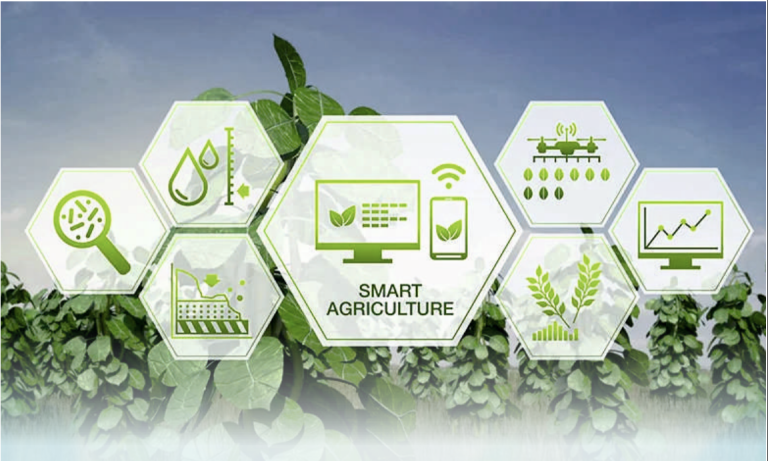
Complementing this, smart farming introduces a more data-driven and technologyenabled approach to managing agricultural and livestock operations. Internet of
Things (IoT) devices and sensors allow for continuous monitoring of animal health,
nutrition levels, and environmental conditions, enabling precision livestock farming
that minimizes risks and optimizes outputs. Geospatial technologies and satellite
imagery provide detailed insights into grazing land quality, fodder distribution, and
disease mapping, while drones are increasingly being deployed for herd surveillance
and pasture assessment. Articial intelligence plays a critical role by offering
predictive analytics on disease risks, reproduction cycles, and feed optimization,
thereby empowering farmers with foresight and planning capacity. Blockchain
technology is also transforming livestock value chains by ensuring transparency,
authenticity, and traceability from farm to consumer, thus boosting market trust and
food safety. Together, these innovations move beyond the limitations of traditional
extension services by ensuring real-time, personalized, and actionable advice that empowers farmers to make informed decisions. More importantly, they integrate
localized knowledge with global innovations, promoting climate-smart practices,
sustainable resource use, and resilience against climate variability and market
fluctuations. By bridging digital extension with smart farming, farmers in even the
most remote areas are being connected to a wider ecosystem of knowledge,
technology, and markets, making agriculture not only more efcient and protable but
also inclusive and sustainable. Ultimately, this synergy represents a paradigm shift in
agricultural development, where technology-driven innovation transforms farming
from being labour-intensive and uncertain to being knowledge-intensive, precise, and
future-ready.
https://www.ivri.nic.in/ForcomAct/Brouchure%20Winter%20School%20_JDEE_2026.pdf